Where it works
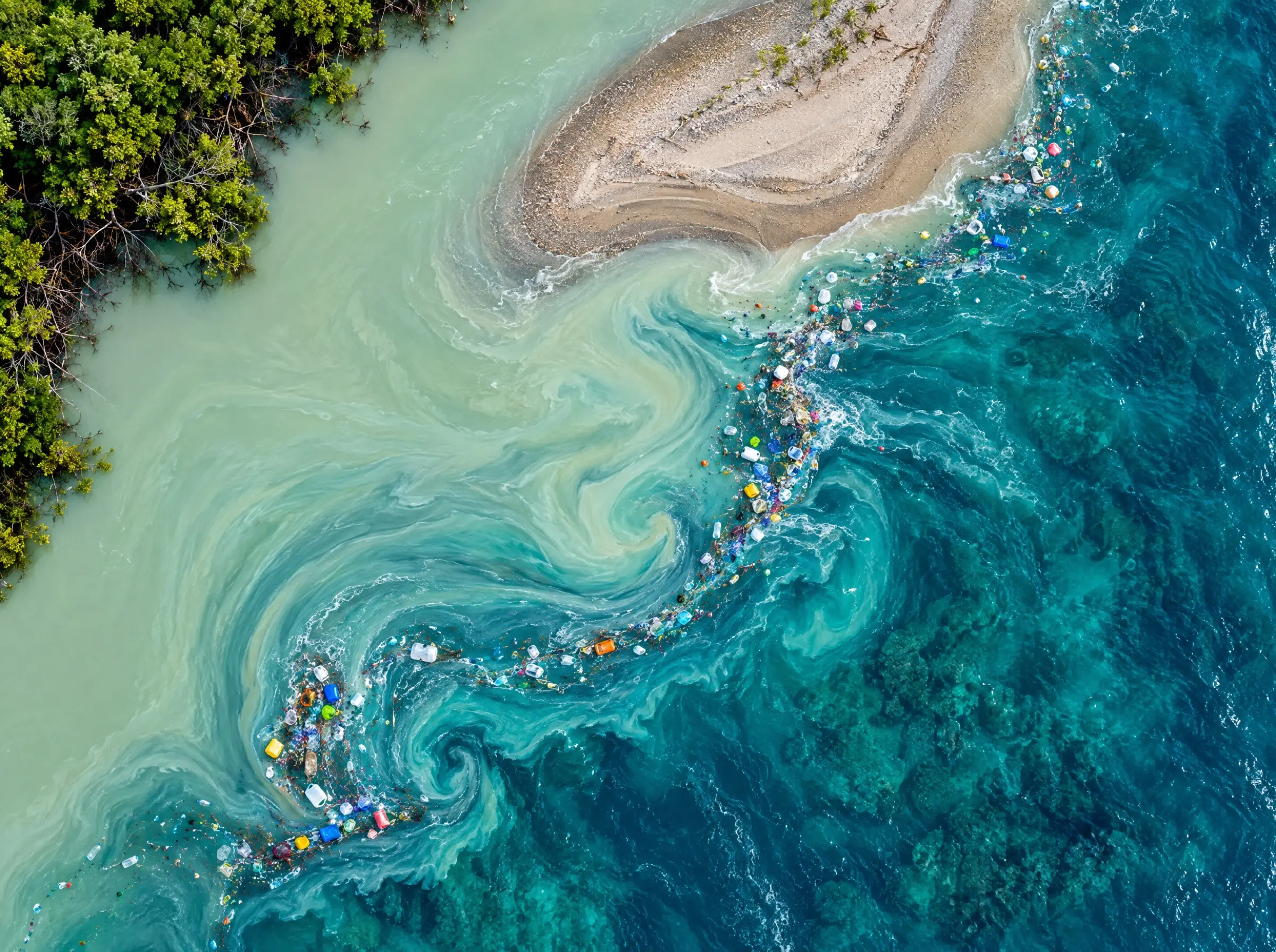
Shore, creek,river.
Marine waste is usually treated as a coastal problem. Much of it starts far upstream, and almost none of it is measured on the way.
01
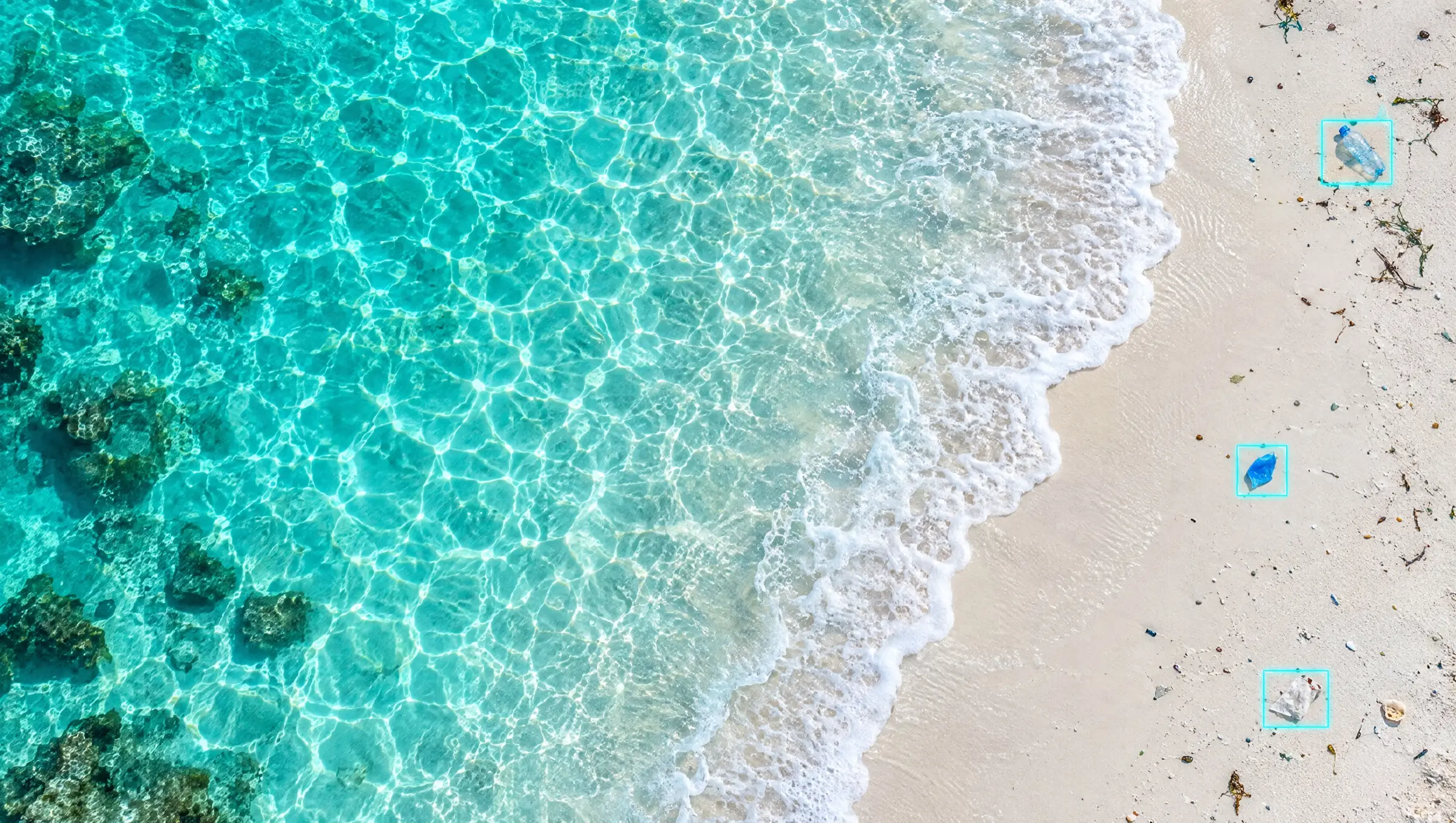
Coastal cities
Waste washing ashore is unmeasured.
- The problem
- Waste returns to the shore with every tide, but nobody knows how much arrives, what it is, or how it changes by season. Beach clean-up counts are inconsistent and cover only small stretches.
- Why it matters
- Without baseline data, clean-ups stay reactive, and no one can tell whether the problem is growing or shrinking.
- What SAAF does
- Captures the weight and category of waste the sea deposits on the shore, across tides and seasons, giving a clear picture of scale and pattern.
02
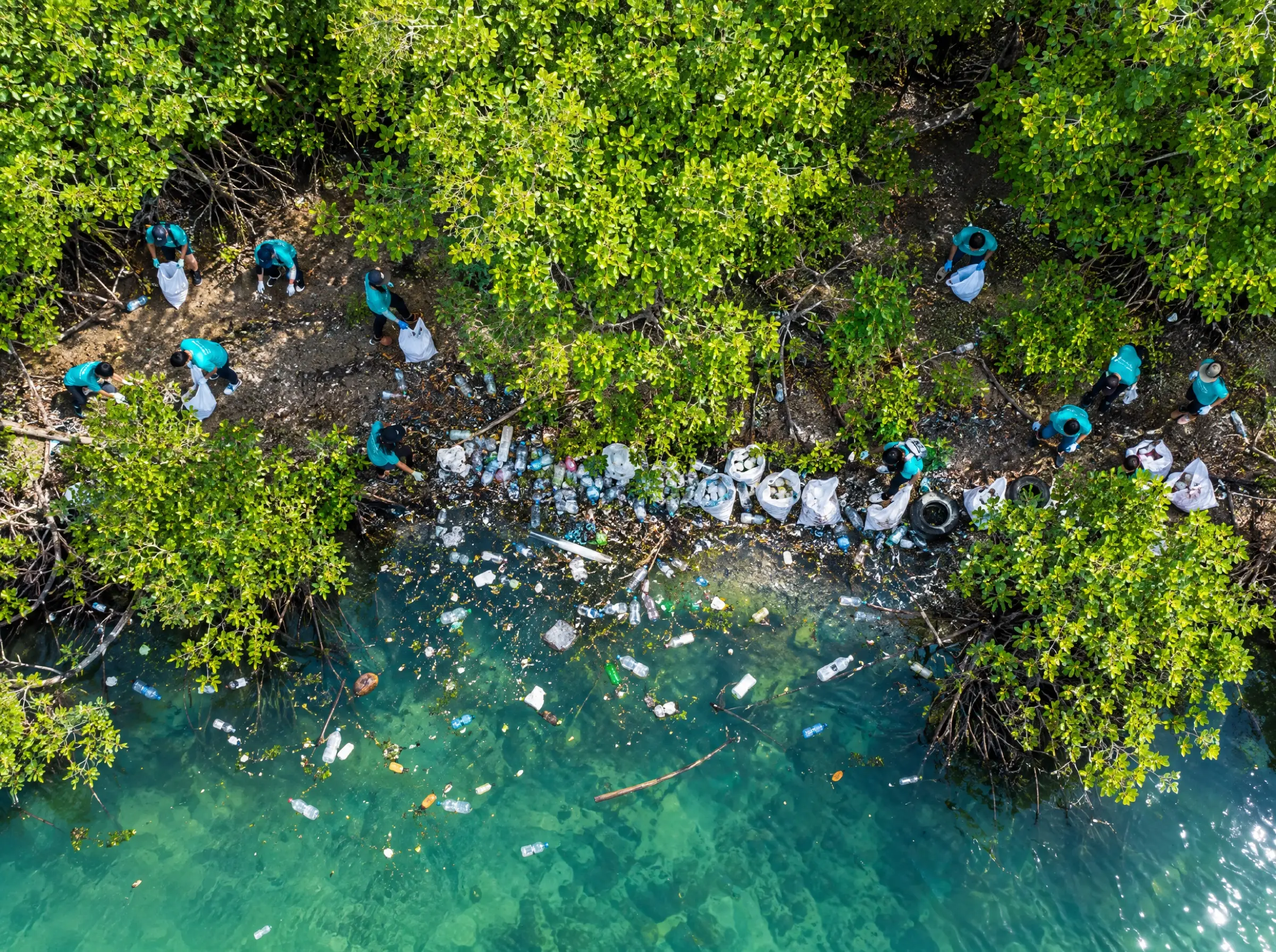
Creeks and rivers meeting the ocean
Waste moves in both directions.
- The problem
- These waterways are a two-way channel. High tides push marine waste inland; low tides carry land-based waste out to sea. Floating waste collects along the banks, often in mangroves and places that are hard to reach.
- Why it matters
- It is hard to separate waste coming from the sea from waste heading to it, so it is unclear where to intervene. These stretches are also ecologically sensitive.
- What SAAF does
- Captures floating waste on the banks by quantity and category at different tide times, revealing flow patterns and accumulation hotspots.
03
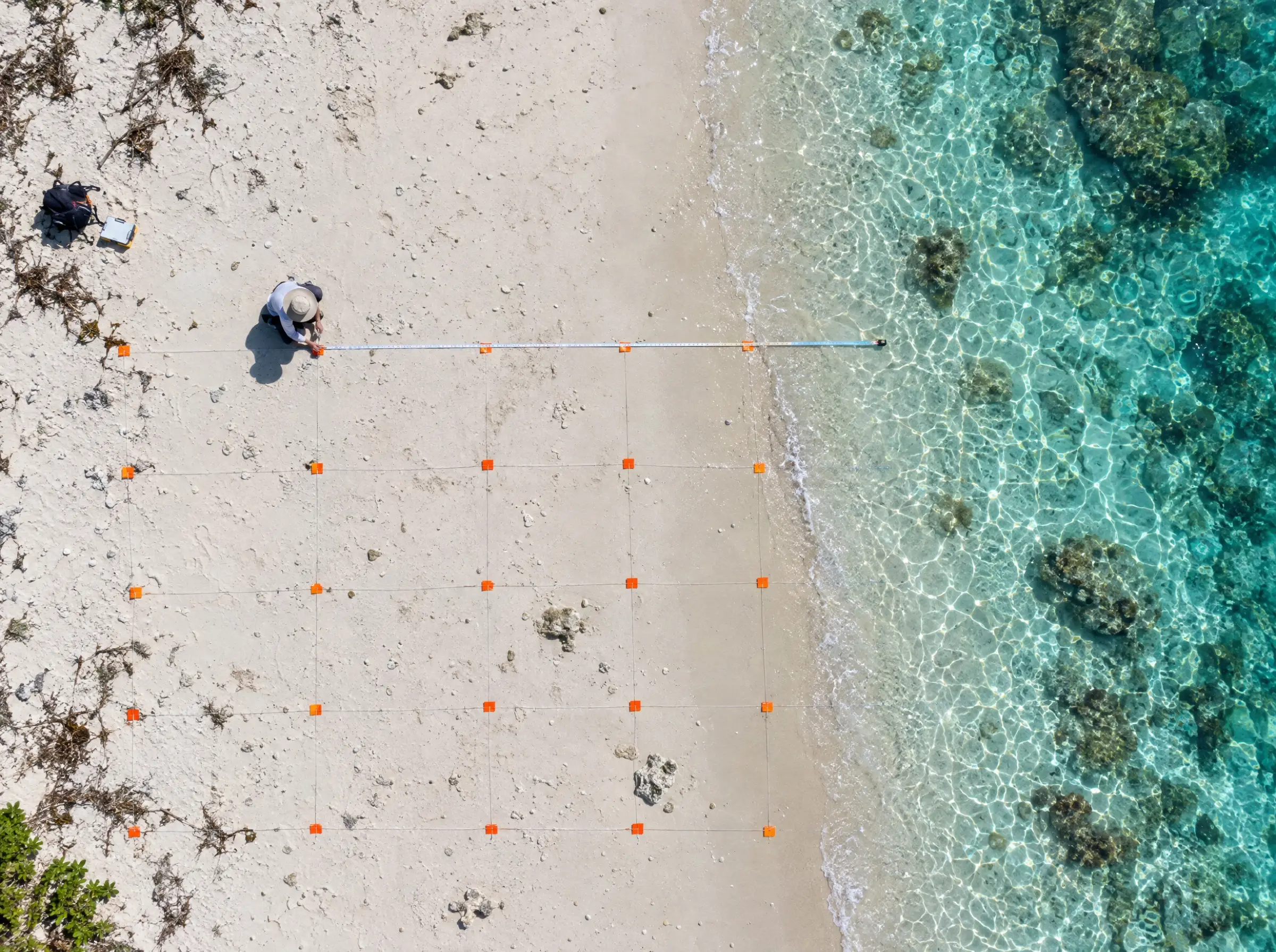
Inland cities on major tributaries
Their contribution is invisible.
- The problem
- Cities away from the coast feed waste into rivers that eventually reach the sea, but because the impact shows up far downstream, their role goes largely unnoticed.
- Why it matters
- Marine pollution is treated as a coastal problem, so upstream cities are rarely held accountable or included in the solution.
- What SAAF does
- Measures each city's share of the overall waste chain, making upstream contributions visible and supporting shared responsibility along the river.
The common thread
In all three, the gap is missing data.
SAAF turns an invisible problem into a measurable one, which is the first step toward targeted action. Measured at the shore, along the creeks and upstream, and flown again over time, it shows whether the work upstream is actually reducing the waste that reaches the sea.
Which oneis yours?
Tell us the stretch. We process a sample survey and show you the output before you commit to anything.
Request a demo